

Signs of Autism in Children & How to Help With Coping
The information provided in this blog is for educational and informational purposes only. It is not intended as medical advice, diagnosis, or treatment. There’s a special kind of worry that comes with feeling like you’re missing something about your child—an invisible puzzle piece you can’t quite name. Maybe it’s the way they cover their ears at birthday parties, or how they line up their toys just so and fall apart if the order changes. Maybe it’s the silence, the repeated phrases, the way other kids easily connect but your little one hovers on the edges. Parents know their children by heart, so when something feels different, it’s hard not to wonder: Is this something more?
Recognizing differences that may be associated with autism can feel overwhelming. There’s no single checklist that fits every child. What you’re noticing, though, matters. And learning to support your child in ways that respect who they are—not who anyone else thinks they should be—is a powerful place to begin.
Differences You May Notice
Every child grows and learns in their own way, but some early behaviors can indicate autism. Here are a few common patterns to watch for:
- Communication Differences: Your child may not point to show interest, might not use words in the expected timeframe, or could echo sounds or phrases without using them to communicate.
- Social Interaction: They may prefer to play alone, find eye contact uncomfortable, or interact in a different rhythm than peers.
- Repetitive Behaviors: Actions like hand-flapping, rocking, or spinning objects can be comforting and help regulate emotions.
- Sensory Sensitivities: Bright lights, loud noises, or certain clothing textures may cause distress, while other sensory inputs may go unnoticed.
- Focused Interests: Some children develop a strong fascination with a specific topic or routine, and that deep focus can be a source of joy and comfort.
No single trait means a child is autistic, but if several patterns stand out, it’s helpful to bring your observations to a pediatrician or developmental specialist.
Coping Isn’t About Forcing Them to Fit—It’s About Making Them Feel Safe
Supporting children with autism isn’t about changing who they are. It’s about helping them feel safe, understood, and comfortable in a world that isn’t always built with their needs in mind. Here are some ways to help children cope that center their experience:
Routines Offer Predictability
Predictability helps reduce anxiety. A consistent routine—with meals, playtime, and bedtime following a familiar rhythm—can help children feel more in control. Visual schedules with pictures or symbols can turn those invisible daily plans into something a child can hold and understand.
Even new experiences like medical visits can feel more manageable when they’re part of a known routine. Practicing what to expect ahead of time using role play or familiar visuals allows the experience to become something expected rather than overwhelming.
Respecting Sensory Needs
Sensory input affects every child differently. Some may cover their ears at loud sounds, while others crave deep pressure, or might avoid certain textures.
Small adaptations make a big difference. Soft, tag-free clothing, access to noise-canceling headphones, or quiet spaces can help children regulate their environment. There is no need to eliminate stimming behaviors unless they are unsafe. Often, these are natural, calming strategies for self-regulation.
The key is to listen. Children who flap, rock, or avoid touch aren’t misbehaving—they’re communicating something important about how the world feels to them.
Communication Can Look Many Ways
Not all children communicate with words, and that’s okay. Some use gestures, pictures, sign language, or communication devices. Honoring these forms of communication is an essential part of supporting autonomy.
It might mean accepting that pointing to a toy is just as valid as asking for it out loud. Or that showing a card with a picture of water is a clear way of saying, “I’m thirsty.”
Meeting a child where they are builds trust. Over time, it encourages more expression, not less.
Play as Exploration and Growth
Play isn’t just for fun—it’s how children explore the world and process their experiences. Structured therapy has a role, but unstructured, imaginative play can be just as powerful.
When children can play with toys that reflect their real experiences—whether that includes medical tools, braces, or routines—they have a chance to rehearse and understand the world around them.
Play removes the pressure to “get it right.” It gives space for creativity, processing, and emotional safety.
Honest Language Builds Confidence
Children are often more aware than we realize. Speaking plainly and kindly about differences can help build self-understanding.
Phrases like, “Your brain works in a way that helps you see and feel things differently,” or, “You like to do things in a special order because it helps you feel calm,” offer language that affirms rather than labels.
Honest conversations don’t need to be heavy. They can be gentle and ongoing—something that evolves alongside the child.
Find Support that Understands
You don’t have to figure it all out alone. Support might come from therapists, support groups, educators, books written by autistic adults, or other parents walking the same path. The most helpful advice often comes from those with lived experience.
Every child deserves to be surrounded by people who respect and believe in them. The more you can learn from others, the more equipped you are to meet your child with calm and confidence.

Let Them Lead
Children with autism often develop their own ways of interacting with the world. Sometimes those ways surprise us. They may use a toy in a completely unexpected way, create rituals that look unusual, or express love with a glance instead of a hug.
Letting them lead—while gently supporting their growth—is one of the most powerful things a caregiver can do. When we listen, follow, and adapt, we show that their way of being is welcome.
That builds self-esteem, connection, and trust.
The World Needs More Safe Spaces
What helps children with autism often helps all children: clear expectations, safe routines, time to play and decompress, and people who see them fully.
Whether your child is newly diagnosed or you’re just beginning to notice differences, know this: they are not a problem to solve. They are a person to love, to listen to, and to support as they grow into themselves.
Meeting your child’s needs in the ways that make sense for them isn’t giving in. It’s good parenting. It’s meeting them where they are, so they can go where they need to.
Every Child Deserves to See Themselves in Their Play
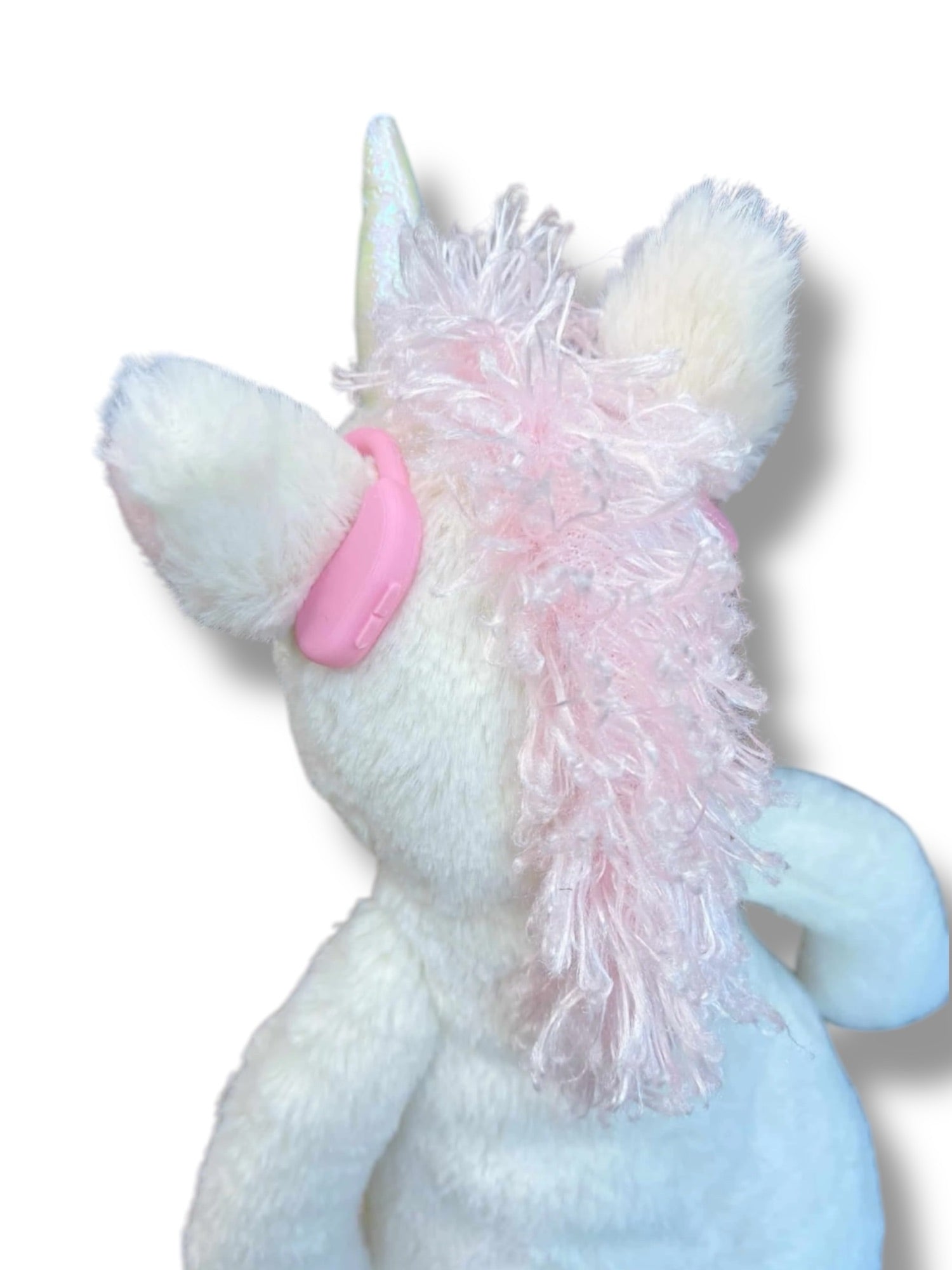
At The Butterfly Pig, we believe in designing medical play support tools that reflect children’s real experiences—including medical journeys, developmental differences, and sensory needs. Our inclusive, realistic, and sensory-friendly medical play support tools like noise canceling headphones for their stuffed animal give children a way to process, understand, and feel proud of who they are.
Supporting autistic children doesn’t mean changing who they are. It means building spaces—and stories—where they feel safe, capable, and exactly where they belong.