

Your Child's Vision Matters—Why It's Important to Act Early
The information provided in this blog is for educational and informational purposes only. It is not intended as medical advice, diagnosis, or treatment. You notice your child squinting more than usual during storytime. Maybe they hold books closer to their face, or bump into furniture even in well-lit rooms. But they’re not complaining. And they’re still playful, still smiling.
So, you chalk it up to distraction, growth spurts, maybe just being tired. But here’s the quiet truth many caregivers miss—vision problems in kids often go undetected because children don’t know how to explain what they’re seeing. Or not seeing. They assume blurry is normal. That’s where early action matters. Not because you’re being overly cautious, but because untreated vision issues can impact much more than just eyesight. Vision affects how kids move, communicate, and connect. It’s not just about seeing clearly; it’s about understanding their world.
Why Early Signs Are Easy to Miss
Kids don’t always tell you when something’s wrong—especially when they think it’s just how things are. Many children with vision issues adapt without realizing it. They might tilt their heads, avoid crafts or puzzles, or become frustrated during play. Their drawings might lose detail, or they might lose interest in picture books.
None of these are big red flags on their own, but together they can hint at a child struggling to make sense of what they see.
Some children might seem clumsy or less coordinated. But what if what looks like clumsiness is actually poor depth perception? What if avoiding storytime isn’t disinterest, but fatigue from trying to focus? That’s why regular vision checks matter—because the signs aren’t always obvious. And the earlier these issues are caught, the better the outcome.
How Early is Early Enough?
According to the American Optometric Association, children should have their first comprehensive eye exam at six months old, another at age three, and then again before starting school. That timeline surprises many families. A lot of parents assume school screenings will catch any major concerns. But those screenings are basic, often just looking at distance vision. They can miss issues like astigmatism, tracking difficulties, or binocular vision problems that affect how eyes work together.
Conditions like amblyopia (lazy eye) or strabismus (crossed eyes) respond best when caught early. Before age seven, the brain is still building its visual pathways. When these are left untreated, those pathways may not develop properly. The result can be long-term visual impairment that could have been prevented.
Vision Challenges Beyond Academics
Vision doesn’t just affect schoolwork. It plays a huge role in how kids move and interact. Balance, spatial awareness, and coordination are all connected to what and how we see. A child who struggles to catch a ball might not have a motor issue—they might simply be struggling to track the ball visually.
Social interactions can also be affected. Recognizing faces, reading emotions, and navigating busy environments all rely on strong visual input. Some children withdraw or seem shy, not because of personality, but because they’re overwhelmed by the visual demands of a classroom or playground.
It’s easy to focus on vision as a medical issue. But it’s also a developmental one, and a social one. When a child can see clearly, they’re more confident, more connected, and more engaged.
Medical Play as Preparation
We know that kids process the world through play. That includes their healthcare experiences. Eye drops, eye exams, and new glasses can all feel unfamiliar and intimidating. But role-playing gives children a chance to explore these situations on their own terms.
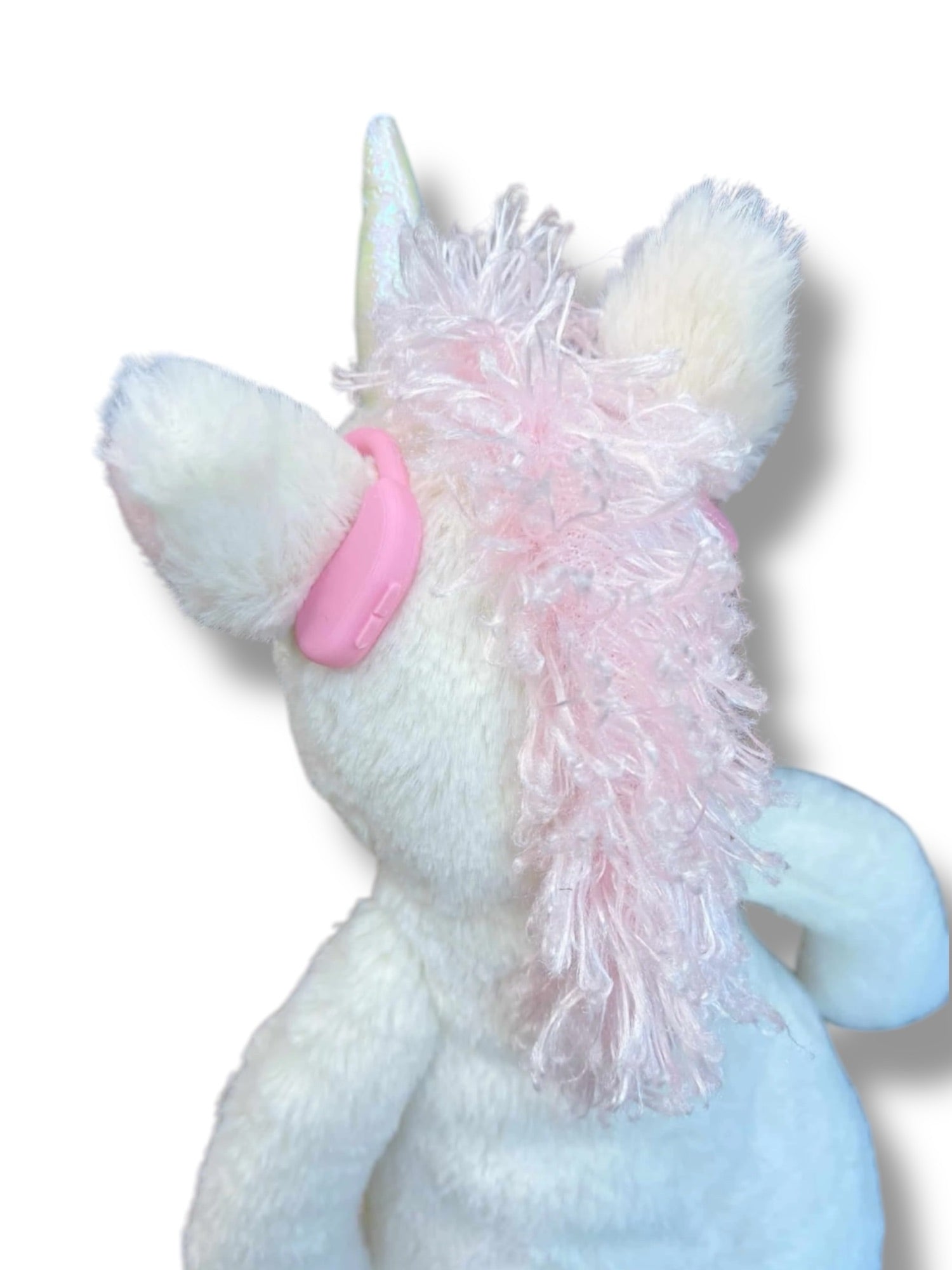
Kids can pretend to be the eye doctor. They can try on glasses, examine their stuffed animals, and make up stories that help them understand what’s happening.
This type of pretend play isn’t just cute. It’s powerful. It gives children a sense of control and confidence. It can make them more cooperative during real appointments and more likely to communicate how they’re feeling. It’s especially helpful for children with sensory sensitivities or developmental differences. These children may need more time and more tools to feel ready. By practicing in advance with toys that reflect real experiences, we help them build comfort, not just compliance.
Tips That Make a Difference:
- Make eye exams part of your child’s routine care. Don’t wait for problems. Vision checks should be preventative, not just reactive.
- Prepare your child through story and play. Use picture books and toys to explore what happens at an eye exam. Let them play the role of the doctor and ask questions.
- Normalize tools like glasses or patches. Let kids choose frames they love. Turn patching into a game or craft project. Celebrate consistency in wearing them with meaningful rewards like extra storytime.
- Watch for subtle changes. Fatigue, frustration, or avoidance during play or school tasks might signal a deeper issue. Trust your instincts if something feels off.
- Loop in your child’s care team. Teachers, therapists, and caregivers should all be aware of any vision concerns. Kids might act differently in different environments, and shared information helps spot patterns early.

Making Vision Care Inclusive
For many children, especially those with complex needs or communication differences, eye exams can be overwhelming. Preparation becomes even more important here. Pretend play with vision toys, social stories, or even simple visual schedules can go a long way in helping these children understand what to expect.
Our toys are intentionally designed for these moments. With tactile parts, visual prompts, and an open-ended approach, they help kids make sense of care through their own lens. It’s not about forcing understanding—it’s about offering tools so children can explore, ask questions, and feel more prepared.
We believe that health care should meet children where they are. That’s why everything we make is grounded in empathy and guided by real experiences.
Vision is More Than Sight
We often reduce vision to what a child can see on a chart. But it’s so much more. Vision is how we read a room, follow a story, or understand a friend’s expression. It’s part of how we learn, how we play, and how we feel safe. When vision challenges go unnoticed, kids may feel confused, disconnected, or left behind. Early action isn’t about panic—it’s about possibility. It’s about helping a child step more confidently into their world.
So notice the little signs. Listen to your gut. Use play as a tool, not just for fun, but for understanding. The earlier we support a child’s vision, the easier it is for them to connect with everything else. We believe every child deserves to feel seen. Not just by an optometrist, but by their family, their teachers, and their care team. And yes, even by their toys. Let’s make sure blurry isn’t their normal. Let’s help them see the world clearly—and know they belong in it.