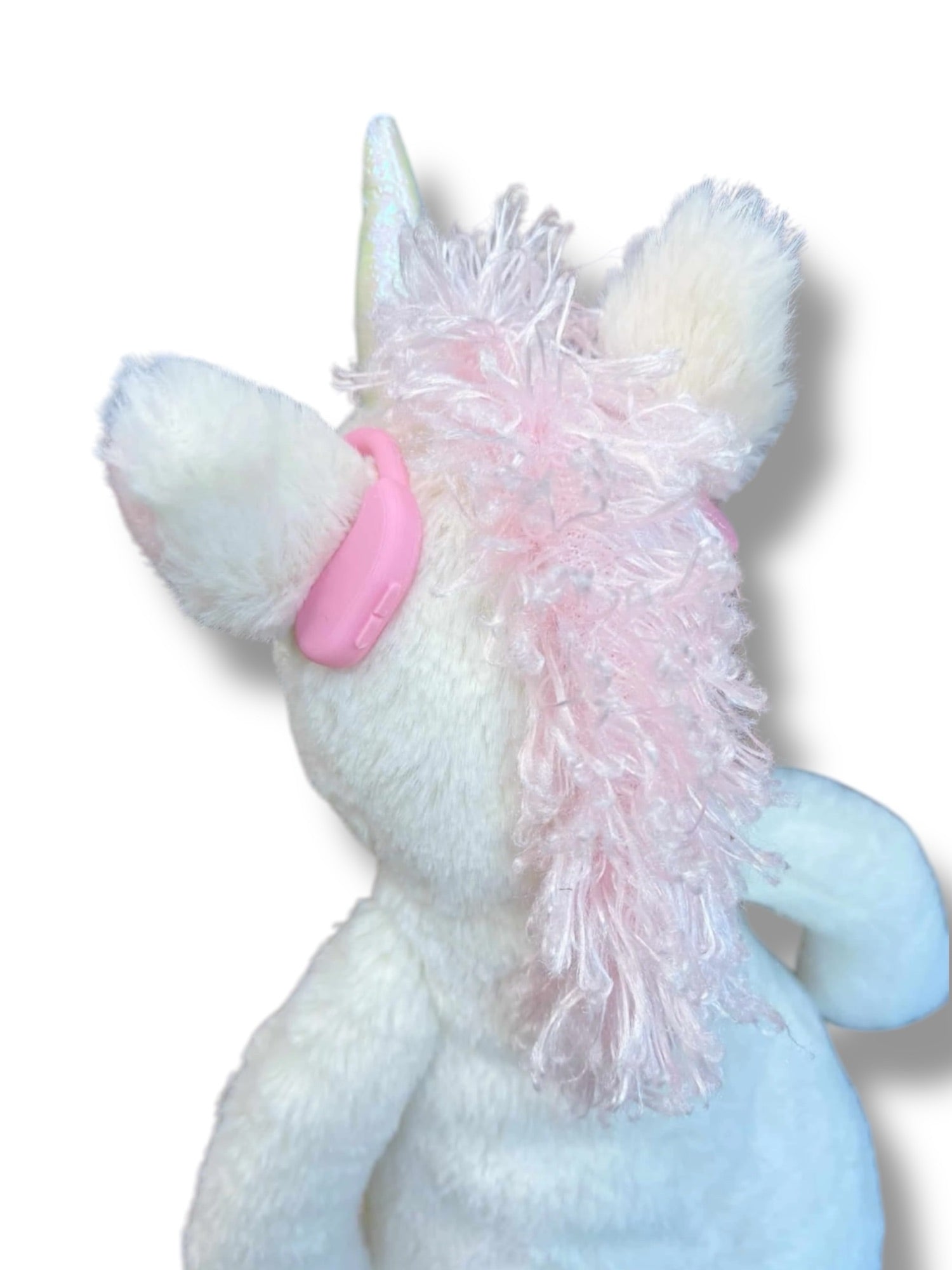


When a child is facing medical experiences, whether that’s a hospital stay, frequent appointments, medical equipment at home, or a new diagnosis, it can feel overwhelming for the entire family. As a Certified Child Life Specialist (CCLS), our role is to help children make sense of these experiences in a way that feels safe, empowering, and developmentally appropriate. One of the most effective tools we use in child life is medical play, and this is where The Butterfly Pig truly shines!
What Is Medical Play (and Why It Matters)?
Medical play gives children the chance to explore medical experiences through play before, during, or after they happen. This might include pretending to give a stuffed animal an IV, practicing with a feeding tube on a doll, or acting out a doctor’s visit using real-looking tools made just for kids.
Medical play helps children:
-
Understand what is happening to their body
-
Feel a sense of control in situations where they often have very little
-
Reduce fear of the unknown
-
Express feelings they may not yet have words for
-
Build coping skills for future medical experiences
Medical play is not about forcing learning, it is about following the child’s lead and letting curiosity guide the experience!
Why The Butterfly Pig Toys Are So Powerful
The Butterfly Pig creates realistic, inclusive medical play tools that reflect what children actually see and experience in healthcare settings. From IV lines and feeding pumps to AAC devices, ostomy supplies, mobility supports, and more, these toys are designed with both accuracy and compassion in mind.
From a child life specialist perspective, these toys are powerful because they:
-
Look like real medical equipment (which builds familiarity)
-
Are sized and designed for children’s hands
-
Support children with chronic, complex, or invisible conditions
-
Encourage open conversations without pressure
-
Normalize medical differences through play
-
Create child-friendly opportunities for medical education
For many kids, seeing their exact medical equipment represented in play can be deeply validating. It helps a child to feel less alone in their experience.
How to Use Butterfly Pig Toys at Home (Child Life Tips)
You do not need to be a medical professional or therapist to facilitate medical play effectively at home. Here are child life specialist informed ways to use Butterfly Pig toys with your child:
1. Let Your Child Lead the Play
Offer the toy and observe. Try not to use the toys on your child unless they invite you to. Remember, this is their opportunity to experience a sense of control over the materials.
During medical play, your child may:
-
Ask questions
-
Act out something that already happened
-
Avoid certain parts
-
Repeat the same scenario over and over
-
Demonstrate violence or anger
All of this is normal and helpful. There is no “right” way to play. Adults are able to use words to express complex emotions and questions – children use play.
2. Use Open-Ended Language
By explaining everything or narrating, you are taking back control over the experience.
Try more curious phrases like:
-
“I wonder what your doll needs right now.”
-
“You’re being very gentle with that IV.”
-
“Tell me about what’s happening.”
-
“How does your bear feel about the poke?”
This invites conversation without overwhelming your child and keeps the control in their court!
3. Practice Before a Medical Experience
If your child has an upcoming procedure or doctor’s visit, medical play can help them rehearse what to expect. Use simple, honest language and keep explanations concrete.
Example: “Can you show me what you think will happen at the appointment? Then, I will show you on the bear what will happen too.”
4. Play After Medical Experiences
After an appointment or hospital stay, children often replay events through play. This helps their brain process what happened. You may notice emotions come out here, fear, frustration, or even humor. Validate and vocalize that all are welcome and normal.
5. Avoid Correcting the Play
If your child does something “wrong” medically, resist the urge to fix it. The goal is emotional expression, not accuracy. For example, if your child uses the stethoscope as a thermometer, let it be. They are exploring and learning.
If you are the one demonstrating how a medical intervention will go, use this as your opportunity to “correct” what they may misunderstand. For example, if your child takes an IV and puts it in the dolls nose, narrate playfully where the IV actually goes on the doll you are using for demonstration.
Supporting Big Feelings Through Medical Play
Medical play often brings up emotions, especially for children with ongoing medical needs.
If your child says something like:
-
“This hurts.”
-
“I don’t want this anymore.”
-
“The doctor is scary.”
Respond with validation:
-
“That sounds really hard.”
-
“It makes sense you feel that way.”
-
“I’m right here with you.”
You don’t need to fix the feeling, and you do not need to fear that medical play will cause negative feelings. You are creating a space for the feelings that have always been there to have a safe place to land and be expressed.
When Medical Play Alone Isn’t Enough
While medical play tools like those from The Butterfly Pig are incredibly supportive, some children and families benefit from additional support from a child life specialist, especially when:
-
A child has a new or complex diagnosis
-
Medical anxiety is increasing over time
-
Procedures feel traumatic or overwhelming
-
A child is avoiding care or medical conversations
-
Parents feel unsure how to support coping at home
-
Siblings are struggling to understand what’s happening
This is where Hearts Connected can help.
How Hearts Connected Supports Families
Hearts Connected is a virtual mental health company providing personalized, developmentally appropriate emotional support for children and families navigating medical and challenging life transitions.
Our Certified Child Life Specialists work with families to:
-
Teach coping strategies for medical procedures and anxiety
-
Support children with chronic illness, hospitalization, or medical trauma
-
Help siblings understand and cope with medical changes
-
Guide parents in using medical play effectively at home
-
Create individualized preparation and coping plans
-
Support parents through coaching and education
-
And more!
All services are provided virtually, allowing families to receive expert child life support from the comfort of home. There is no waiting list and services are available 7 days a week.
Using Butterfly Pig Toys With Child Life Support
Many families choose to pair Butterfly Pig medical play tools with child life services for even greater impact!
A child life specialist can:
-
Show you how to introduce toys based on your child’s age and needs
-
Help interpret your child’s play themes
-
Guide language for difficult conversations
-
Adjust play strategies as your child grows
-
Support parents through emotionally heavy moments
Together, these tools and services create a strong foundation for resilience, understanding, and confidence!
Children are incredibly capable when given the right tools and support. Medical play, especially with thoughtful, realistic tools like those from The Butterfly Pig, allows children to make sense of their world in a way that feels safe and empowering.
If you ever find yourself wondering, “Am I saying the right thing?” or “Is this normal?” you do not have to figure it out alone.
Learn more about child life services at Hearts Connected and reach out when your family needs extra support. We are here to walk alongside you, every step of the way!